Shape
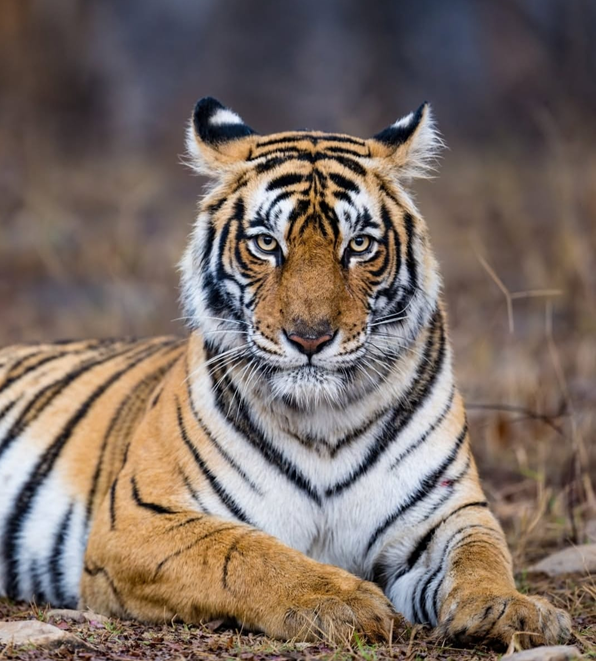
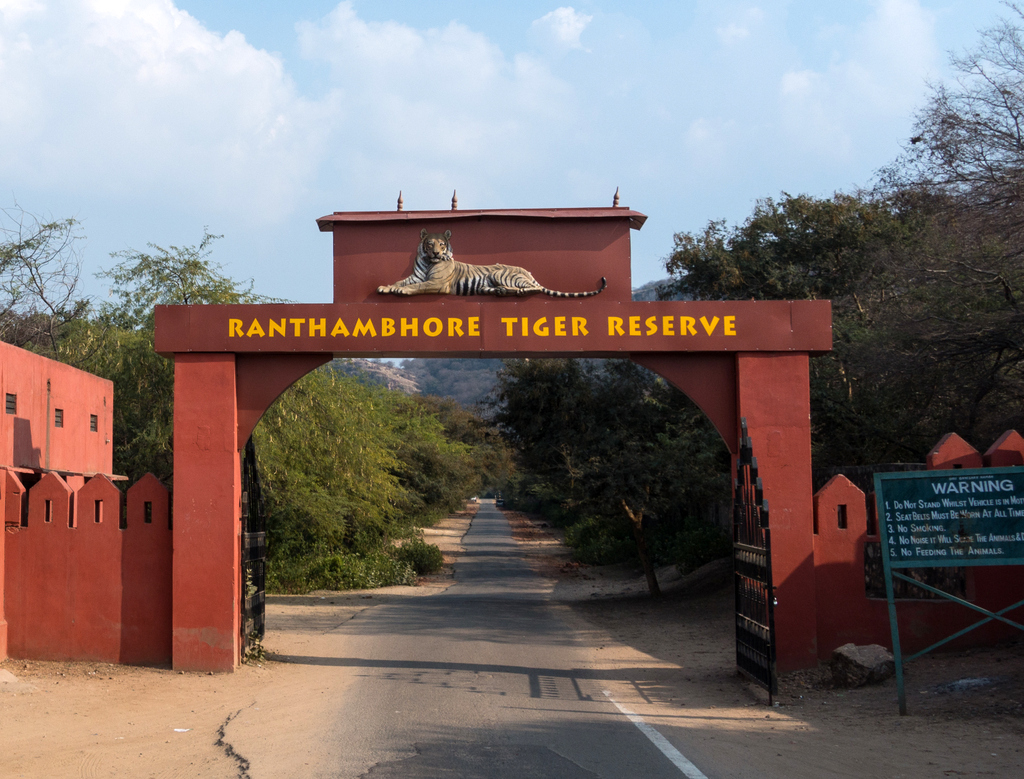
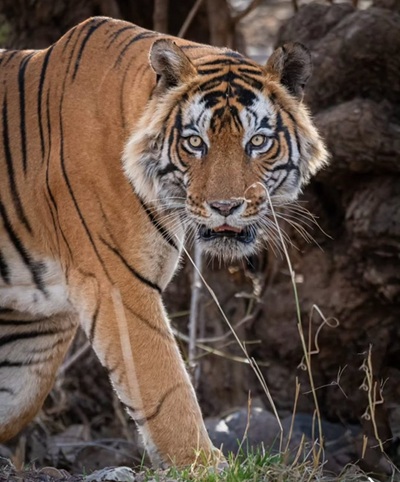
Feel the Spirit of the Wild at Ranthambore

A destination for nature lovers, explorers, and photographers seeking unforgettable moments.

Enquire Now
Shape
Experience the Wild Heart of Ranthambore

Explore majestic tigers, ancient forts, and breathtaking landscapes — all in one unforgettable journey.

Enquire Now
Shape
Capture the Essence of the Wild

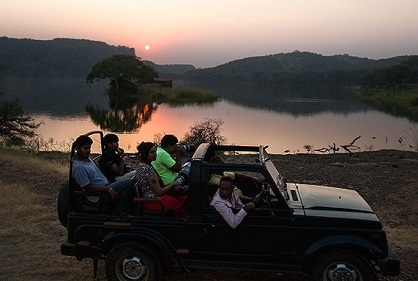
From golden sunsets to roaming wildlife — every frame tells a story at Ranthambore.

Enquire Now

About Us

Welcome to Ranthambore Tiger Sighting, a local platform dedicated to helping visitors explore and understand Ranthambore National Park and nearby attractions. Our goal is to make tour planning simple by providing clear and useful information about safaris, local places, routes, and visiting guidelines. We are based near Ranthambore, allowing us to share up-to-date details about park timings, safari procedures, and conservation updates. Whether you’re visiting for wildlife photography, family tour or to explore history, our content helps you prepare your trip with ease.

Icon

Expert Tour Plan

Icon

Tour Assistance

Image

5+

Years Of Experience
Shape
Feature Image

Ranthambore – The Land of the Royal Bengal Tiger

Ranthambore is one of India’s most famous wildlife destinations, located in the Sawai Madhopur district of Rajasthan. Known for its majestic tigers, historic fort, and rich biodiversity, Ranthambore National Park offers visitors a chance to explore nature, heritage, and adventure all in one place. Whether you’re a wildlife enthusiast, nature lover, or history admirer, Ranthambore promises a memorable experience through its forests, lakes, and ancient monuments.

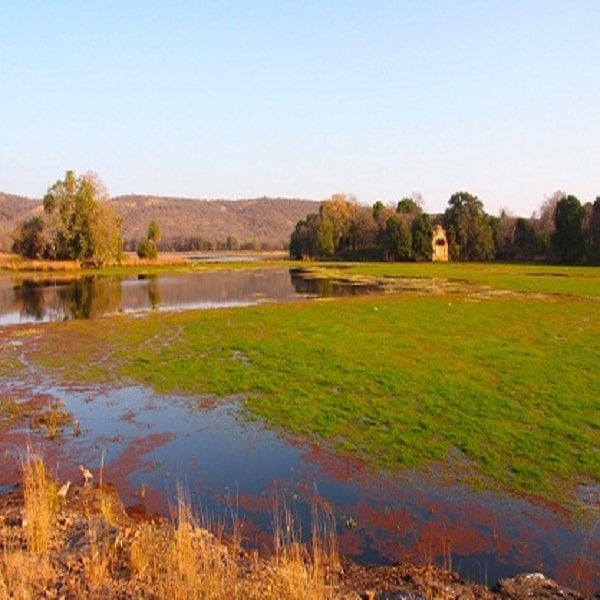
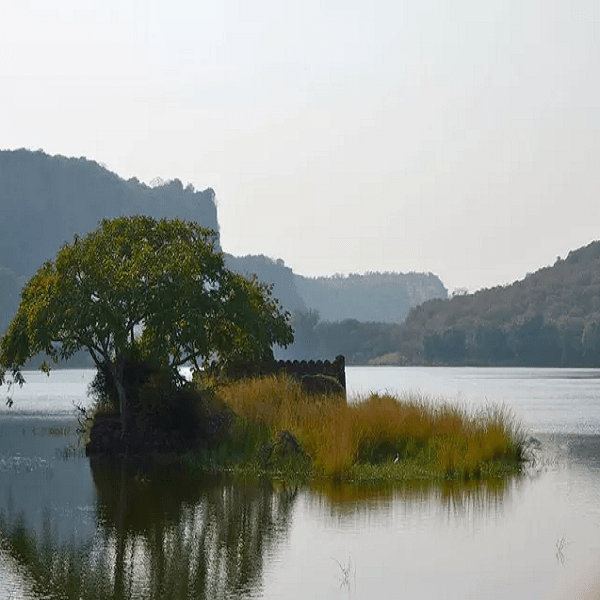
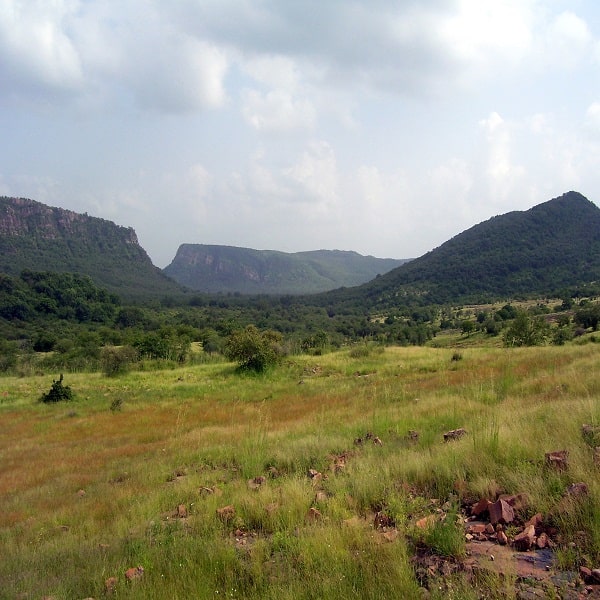
Beyond tiger sightings, the park is home to a wide variety of animals such as leopards, sloth bears, deer, langurs, and more than 300 species of birds, making it a paradise for birdwatchers and photographers. The park’s landscape features serene lakes, grasslands, and dense forests, framed by the ancient Aravalli and Vindhya hills, creating a picturesque backdrop for exploration.

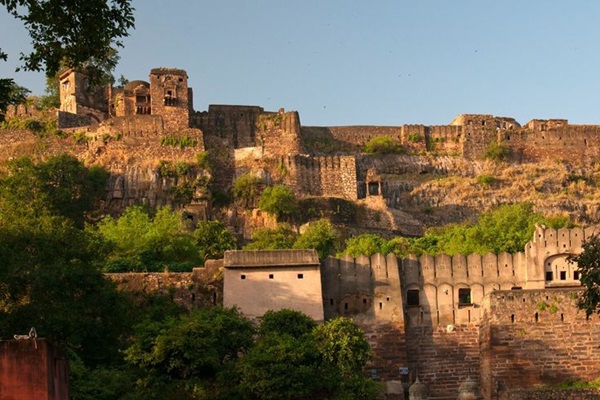
The Ranthambore Fort, standing proudly inside the park, tells stories of royal glory and ancient battles. Exploring its ruins, temples, and panoramic viewpoints offers a glimpse into Rajasthan’s rich history and architectural beauty.

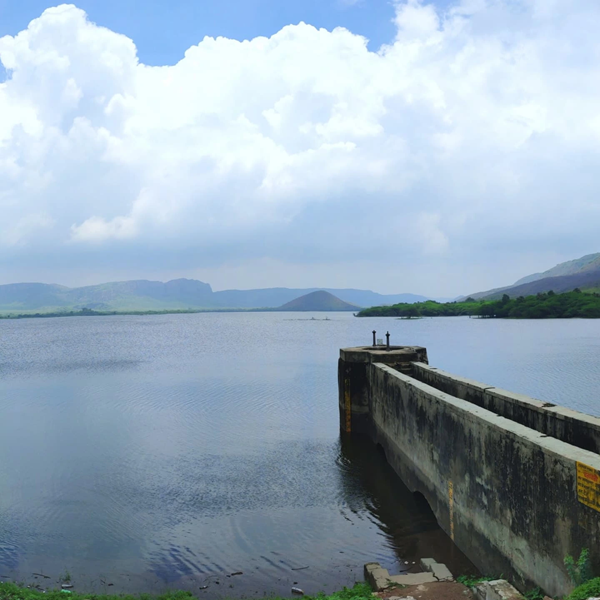
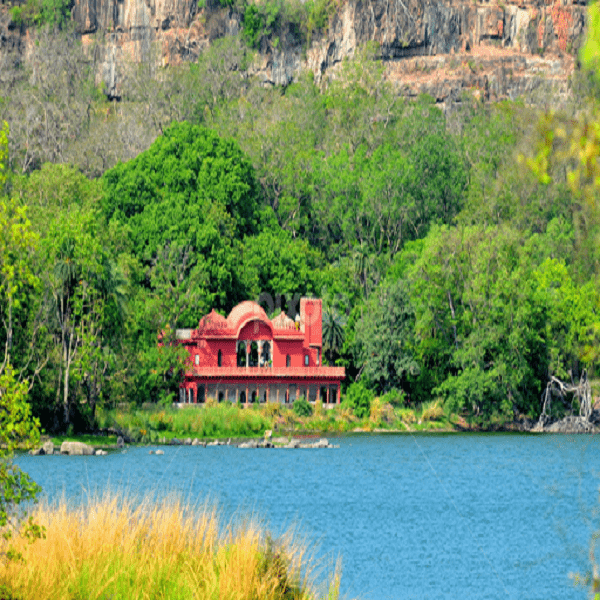
Visitors can enjoy exciting gypsy or canter safaris, explore scenic spots like Padam Lake, Rajbagh Ruins, Surwal Lake, and Jogi Mahal, or simply soak in the peace of nature. With its perfect balance of wilderness and culture, Ranthambore remains one of the most captivating destinations in India — a place where every sunrise begins a new story of the wild.



Shape

History Of Ranthambore National Park

Ranthambore National Park was once the royal hunting ground of the Maharajas of Jaipur, known for its rich wildlife and scenic beauty. It was declared a protected wildlife sanctuary in 1955 and later designated as a national park in 1980. Today, it forms an essential part of Project Tiger, a national conservation effort aimed at protecting the majestic Bengal tiger and preserving India’s diverse ecosystem.

Spread over approximately 1,334 square kilometers, Ranthambore includes both core and buffer zones, featuring dense forests, rolling hills, open grasslands, and picturesque lakes. The park’s landscape is dotted with ancient ruins, stone watchtowers, and the magnificent Ranthambore Fort, a UNESCO World Heritage Site, which overlooks the park from its hilltop perch.

Ranthambore is home to a wide variety of flora and fauna, including tigers, leopards, sloth bears, wild boars, spotted deer, sambars, and more than 300 bird species. Its mix of natural and historical elements makes it not just a wildlife destination, but also a place of culture and heritage. Each season brings a new face to the park — from lush greenery after the monsoon to golden hues in winter — making every visit a different experience.

For nature enthusiasts, photographers, and history lovers, Ranthambore offers a glimpse into the wild heart of India, where nature and history exist in perfect harmony.

Feature Image
Image

Explore The Ranthambore

Image

Ranthambore Safari

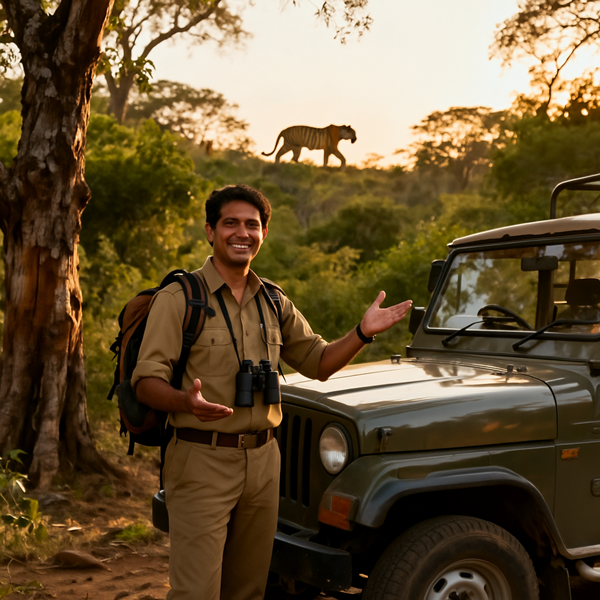
A Ranthambore Safari gives visitors the chance to explore the park’s diverse wildlife and scenic beauty. With guided Jeep or Canter rides, you can witness tigers, deer, and many bird species in their natural environment.

Image

Ranthambore Fort

A UNESCO World Heritage Site that dates back to the 10th century. It offers panoramic views of the park and is home to temples and old structures.

Image

Rajiv Gandhi Museum

Rajiv Gandhi Museum showcases the region’s rich history, wildlife, and cultural heritage. Visitors can explore exhibits about the royal past, local art, and conservation efforts that make Ranthambore special.

Image

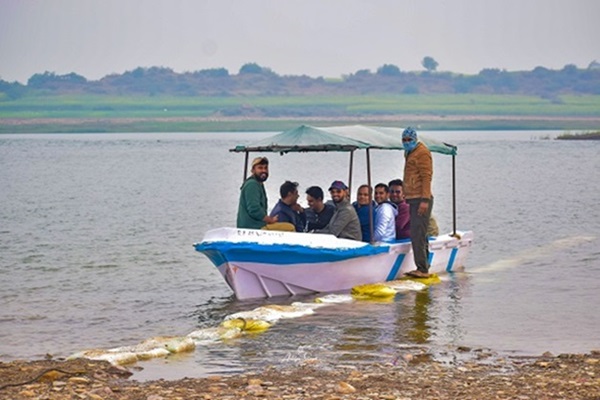
Chambal River Boating

Chambal River boating offers a peaceful experience surrounded by scenic landscapes. The ride lets visitors see crocodiles, turtles, and migratory birds in their natural habitat along the calm waters of the Chambal.

Explore All

Image

Safari Vehicle Type

Exploring Ranthambore National Park is an unforgettable experience, and choosing the right safari vehicle can make your journey even more enjoyable. Visitors can select from two main types of safari vehicles, each offering a unique way to experience the park’s wildlife and scenic beauty.

Image

Gypsy Safari

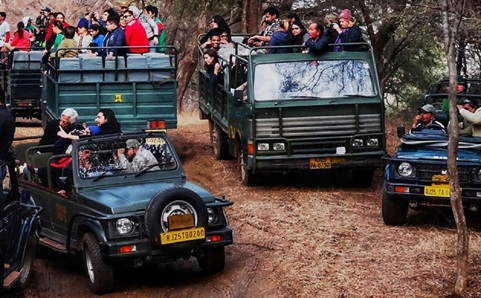
The Gypsy Safari is one of the most popular ways to explore Ranthambore National Park. These open 6-seater gypsy are perfect for visitors who prefer a personalized and flexible wildlife experience. The smaller vehicle size allows easy movement through narrow forest paths and offers excellent opportunities for wildlife photography. With experienced drivers and trained guides, visitors can enjoy close encounters with the park’s rich biodiversity, including tigers, leopards, deer, and exotic birds — all in a natural and safe environment.

Image

Canter Safari

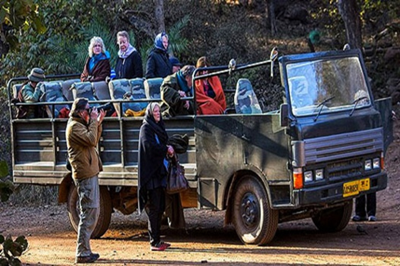
The Canter Safari is an excellent choice for larger groups, accommodating up to 20 visitors in an open-top bus. It offers a comfortable and budget-friendly way to experience the park’s wilderness. Canters follow designated routes through different safari zones, giving travelers a chance to spot wildlife in their natural habitat. The elevated seating provides a wide panoramic view of the jungle, making it ideal for sightseeing and group photography. Every trip is accompanied by an authorized forest guide, ensuring a safe and informative journey through the heart of Ranthambore.

Ranthambore Safari Timing

Safari rides are conducted twice a day, depending on the season:

    Winter (October to March)

  • Morning Safari: 6:30 AM – 10:00 AM
  • Evening Safari: 2:30 PM – 6:00 PM

    Summer (April to June)

  • Morning Safari: 6:00 AM – 9:30 AM
  • Evening Safari: 3:30 PM – 7:00 PM
  • Safari timings may vary based on sunrise and sunset schedules. Advance booking is recommended due to limited seats.

Safari Zones in Ranthambore

Ranthambore National Park is divided into 10 safari zones. Each zone has its own charm and landscape, with a good chance to spot wildlife.

  • Zone 1–5: Famous for frequent tiger sightings and breathtaking landscapes.
  • Zone 6–10: Known for vast grasslands, serene water bodies and diverse wildlife habitats.

Every zone offers an equal opportunity to experience the park’s beauty, whether you see tigers, leopards, deer, or migratory birds.

How to Reach Ranthambore

Ranthambore is well-connected by road, rail, and air from major Indian cities.

  • By Air: The nearest airport is Jaipur International Airport (approx. 180 km). Taxis and buses are easily available from Jaipur to Sawai Madhopur.
  • By Train: Sawai Madhopur Railway Station (approx. 10 km from the park) connects Ranthambore to Delhi, Mumbai, and Jaipur.
  • By Road: You can reach Ranthambore by road through National Highway 52. Regular buses and private vehicles operate from Jaipur, Kota, and other nearby cities.

Every zone offers an equal opportunity to experience the park’s beauty, whether you see tigers, leopards, deer, or migratory birds.

Best Time To Visit

Ranthambore National Park remains open for visitors from October to June every year, offering a chance to experience the beauty of Rajasthan’s wilderness across different seasons.

  • October to March: This is the most popular time to visit Ranthambore. The weather is pleasant and cool, making it ideal for safaris and sightseeing. During this period, animals are often spotted basking in the sun near water bodies, providing great opportunities for photography.
  • April to June: Though temperatures can rise, summer months are known for increased chances of tiger sightings, as animals frequently visit lakes and watering holes to cool off. Early morning safaris during this time are especially rewarding for wildlife enthusiasts.

The park remains closed from July to September due to the monsoon season, which helps rejuvenate the forest and allows wildlife to thrive undisturbed.



Useful Information for Ranthambore Visitors

What to Pack for a Ranthambore Safari

Pack smart to stay comfortable during safaris and short walks. Layering and neutral colours help with changing temperatures and wildlife viewing.

  • Light layers (mornings can be cool; afternoons warm up)
  • Comfortable, neutral-coloured clothing (avoid bright colours)
  • Sturdy walking shoes and a hat or cap
  • Sunglasses, sunscreen, and a reusable water bottle
  • Binoculars and a camera with extra batteries/memory cards
  • Small daypack for essentials and official ID/permits

Safari Booking Process

Follow these steps to reserve a safari slot and arrive prepared for the park rules and timings.

  1. Check official park or authorized booking portals for dates and zones.
  2. Choose vehicle type: Gypsy (small group) or Canter (larger group).
  3. Select preferred zone and time slot (morning or evening).
  4. Complete payment and save the booking confirmation.
  5. Boarding pass will be generated some hours before safari. An sms containing the vehicle no. and guide name will be receive on mobile no. given during booking.
  6. Reach the park checkpoint 30–45 minutes before safari start time.

Safari Zones — What to Know

Each zone offers different terrain and wildlife activity; sightings are never guaranteed but vary by season and water availability.

  • Zones 1–5: Core forest areas with rocky hills and dense cover.
  • Zones 6–10: Buffer and grassland regions with open views and water bodies.
  • Wildlife movement is natural and unpredictable — sightings differ each day.
  • Consult local guides or forest staff about recent sightings before your safari.

Where to Stay Near Ranthambore

Accommodation choices around Sawai Madhopur cover most budgets; choose based on location, included transfers, and seasonality.

  • Options: budget guesthouses, mid-range hotels, and heritage properties.
  • Consider distance to the park, included pickup/drop services, and guest reviews.
  • Book early for the peak season (October–April) to ensure availability.
  • Staying near Sawai Madhopur station is convenient for train arrivals and departures.

Capture The Wild Beauty Through Lens

Ranthambore is a paradise for photographers who wish to capture the charm of India’s wilderness. From the graceful movement of tigers and deer to the calm reflection of ancient ruins in the lakes, every corner offers a unique frame. The changing light at sunrise and sunset adds depth and warmth to every shot, making it an unforgettable experience for both beginners and professional photographers.

Beyond wildlife, Ranthambore offers a variety of captivating subjects — from the majestic Ranthambore Fort standing tall against the Aravalli hills to serene spots like Padam Lake and Rajbagh Ruins, where nature and history blend beautifully. The park’s diverse landscape, with its mix of dense forests, open meadows, and tranquil water bodies, ensures that no two frames look the same.

Whether you’re capturing a tiger emerging from the tall grass, a peacock dancing in the golden light, or migratory birds resting near the lakes, Ranthambore provides endless opportunities for creative photography. With patience, timing, and a touch of curiosity, every visitor can walk away with breathtaking shots and unforgettable memories of nature’s finest moments.

Image
Shape Image Image Image Image

Frequently Asked Questions About Ranthambore

Planning a visit to Ranthambore ? Here are some commonly asked questions that help visitors learn more about safari bookings, timings, entry zones, and other important details before their trip. This section will guide you to plan your visit smoothly and make the most of your experience.


O1 . When is Ranthambore National Park open for visitors?

Ranthambore National Park is open from October to June each year. It remains closed during the monsoon season (July to September) to allow the forest and wildlife to regenerate.

Image Image Image Shape Shape Image
Image
Feature

Activities to do at Ranthambore

Ranthambore offers a mix of wildlife exploration, nature experiences, and historical sightseeing. Here are some of the most popular activities you can enjoy during your visit.

Activities
  • IconIconWildlife Safari
  • IconIconChambal Boating
  • IconIconBird Watching
  • IconIconHistorical Places visit
  • IconIconPhotography
  • IconIconAncient Temple Visit
  • IconIconCultural Visit
  • IconIconNatural Walk

Feedbacks By Visitors

“Our trip to Ranthambore was an unforgettable experience"

Our trip to Ranthambore was an unforgettable experience! The safari was well organized, and we were lucky enough to spot a tiger near Padam Lake. The guides were knowledgeable and made the whole journey exciting and informative.

  • Icon
  • Icon
  • Icon
  • Icon
  • Icon
— Ananya Sharma
Delhi
“Ranthambore is a perfect blend of wildlife"

Ranthambore is a perfect blend of wildlife and history. Exploring the fort after the morning safari was a highlight of our trip. The views from the top were simply breathtaking!

  • Icon
  • Icon
  • Icon
  • Icon
  • Icon
— Priya Mehta
Ahmedabad
“A great place for photography!”

A great place for photography! From sunrise over the lakes to deer grazing in the forest, every moment felt magical. The park staff were friendly and ensured everything went smoothly.

  • Icon
  • Icon
  • Icon
  • Icon
  • Icon
— Rohit Verma
Mumbai
“A truly peaceful escape into nature.”

A truly peaceful escape into nature. We didn’t just see wildlife but also enjoyed the beautiful lakes and old ruins inside the park. A must-visit destination for anyone visiting Rajasthan.

  • Icon
  • Icon
  • Icon
  • Icon
  • Icon
— Neha & Arjun
Jaipur